
Nathaniel Hawthorne’s chilling tale explores ambition, mortality, and perfection’s elusive nature, offering a profound commentary on humanity’s flawed pursuit of ideals․
Published in 1843, “The Birthmark” remains a cornerstone of American Romantic literature, prompting enduring discussions about science and ethics․
The story delves into the tragic consequences when scientific hubris overshadows acceptance of inherent human imperfection, a timeless and cautionary theme․
Overview of the Story and its Themes
“The Birthmark” centers on Aylmer, a brilliant scientist, and his beautiful wife, Georgiana, who possesses a small, hand-shaped birthmark on her cheek․ Initially, Aylmer adores Georgiana, but his affection transforms into obsessive revulsion as he fixates on this perceived imperfection․ He believes the birthmark symbolizes her mortality and flaws, hindering her potential for absolute perfection․
Driven by scientific ambition and a desire to transcend human limitations, Aylmer embarks on a perilous quest to remove the birthmark, disregarding Georgiana’s initial acceptance of it․ The story dramatically unfolds as Aylmer’s experiments intensify, impacting Georgiana’s physical and emotional state․
Central themes include the dangers of unchecked scientific ambition, the unattainable nature of perfection, the acceptance of human frailty, and the complex interplay between morality and mortality․ Hawthorne masterfully explores the tragic consequences of prioritizing an idealized vision over genuine human connection and acceptance․
Historical Context: 19th-Century American Romanticism
“The Birthmark” emerged during the height of 19th-century American Romanticism, a literary and artistic movement reacting against Enlightenment rationalism․ This era emphasized emotion, individualism, and the power of nature, often exploring themes of the sublime and the dark side of human nature․
Hawthorne, a key figure in this movement, frequently delved into the complexities of sin, guilt, and the inherent flaws within humanity․ Romanticism’s fascination with the past and the supernatural is subtly present, influencing Aylmer’s alchemical pursuits․
The story also reflects the burgeoning scientific advancements of the time, coupled with anxieties about their potential consequences․ Hawthorne’s work often served as a critique of societal norms and a cautionary tale about the dangers of unchecked ambition, resonating deeply within the Romantic framework․

The Central Symbol: The Birthmark Itself
The birthmark, a “pygmy hand” on Georgiana’s cheek, embodies earthly imperfection and mortality, deeply interwoven with her very being and identity․
Description of the Birthmark’s Appearance
Hawthorne meticulously details the birthmark’s unsettling appearance, describing it as a “deeply interwoven” mark upon Georgiana’s cheek, resembling a miniature hand․ This crimson stain isn’t merely a surface blemish; it’s intrinsically linked to her flesh, a part of her very substance․ The author emphasizes its vivid color and distinct shape, noting it’s the size of a “smallest pygmy hand,” a detail that amplifies its unsettling quality․
It’s not a flat discoloration but possesses a raised, almost three-dimensional quality, further emphasizing its unnatural presence․ The birthmark’s texture is described as being part of her face, not on her face, suggesting an inseparable connection․ This visual description isn’t simply aesthetic; it’s crucial to understanding the story’s thematic concerns, highlighting the birthmark as a symbol of inherent, inescapable imperfection․
The imagery evokes a sense of something both familiar and alien, beautiful and grotesque, contributing to the story’s overall atmosphere of unease and foreshadowing the tragic events to come․
The Birthmark as a Representation of Human Imperfection
The birthmark serves as a potent symbol of inherent human imperfection, a visible manifestation of mortality and the fallibility of earthly existence․ It represents the inescapable flaws that define the human condition, challenging the pursuit of unattainable perfection․ Hawthorne utilizes this physical mark to explore the dangers of striving for an idealized, flawless state, suggesting such endeavors are ultimately futile and destructive․
The mark’s very nature – deeply interwoven with Georgiana’s being – signifies that imperfection isn’t merely superficial but integral to one’s identity․ It embodies the limitations of human creation and the acceptance of natural flaws․ Aylmer’s obsession with removing it reflects a rejection of this fundamental truth, a denial of the beauty found within imperfection․
Ultimately, the birthmark embodies the story’s central message: embracing human frailty is essential for a meaningful existence․

Aylmer’s Obsession with Perfection
Aylmer’s character embodies intellectual pride and ambition, driven by a relentless pursuit of scientific advancement and a desire to conquer human limitations․
Aylmer’s Character: Ambition and Scientific Hubris
Aylmer is presented as a brilliant, yet deeply flawed, scientist consumed by an insatiable desire to transcend the boundaries of human imperfection․ His laboratory, filled with alchemical apparatus and scientific instruments, symbolizes his ambition to master nature itself․ He views Georgiana’s birthmark not as a charming peculiarity, but as a visible defect that must be eradicated, representing earthly imperfection․
This obsession stems from a profound scientific hubris – an excessive pride in his intellectual capabilities and a belief in his ability to achieve the impossible․ He believes he can “penetrate” the mysteries of life and death, demonstrating a dangerous overconfidence in the power of science․ Hawthorne connects Aylmer to alchemy and sorcery, highlighting his intellectual arrogance․
Aylmer’s relentless pursuit blinds him to the beauty and vitality of Georgiana, reducing her to a subject for his experiments rather than a beloved wife․ His ambition ultimately overshadows his morality, leading to a tragic outcome fueled by his unwavering belief in his own intellectual superiority․
The Influence of Alchemy and Science on Aylmer’s Pursuit
Aylmer’s relentless quest to remove Georgiana’s birthmark is deeply rooted in the intellectual currents of his time, blending the fading traditions of alchemy with the burgeoning field of science․ His laboratory, described as a space for both chemical experiments and mystical investigations, reflects this fusion․ He isn’t simply a scientist; he’s a modern-day magus, seeking to unlock the secrets of life and overcome mortality․
Hawthorne deliberately connects Aylmer to both alchemy and sorcery, emphasizing his ambition to transcend natural limitations․ This pursuit isn’t driven by a desire to heal, but by a thirst for absolute control and a belief in his ability to perfect nature․ He believes he can achieve what was once considered impossible through rigorous experimentation and intellectual prowess․
This blend of old and new thought underscores the story’s critique of unchecked ambition and the potential dangers of prioritizing intellectual pride over ethical considerations, ultimately leading to tragedy․

Georgiana’s Perspective and Transformation
Initially accepting her birthmark, Georgiana’s self-perception dramatically shifts under Aylmer’s influence, fueling anxieties about imperfection and beauty’s fragility․
Her emotional state becomes intertwined with the mark’s visibility, revealing a poignant struggle for self-worth and acceptance․
Georgiana’s Initial Acceptance of Her Birthmark
Before Aylmer’s obsessive focus, Georgiana possessed a serene acceptance of her birthmark, viewing it not as a flaw but as an intrinsic part of her identity․ Described as a “small hand” upon her cheek, the mark initially held no significant distress for her; it was simply a feature, deeply interwoven with her very being․
She hadn’t perceived it as detracting from her beauty, and, in fact, seemed to find a certain allure in its uniqueness․ This initial contentment is crucial, highlighting the external imposition of the idea of perfection․ The provided texts emphasize that the birthmark “never bothered Georgiana,” suggesting a natural self-acceptance untainted by societal pressures or a partner’s anxieties․
Her beauty was perceived as fragile, yet complete, even because of this imperfection․ This initial state of grace serves as a stark contrast to her later torment, underscoring the destructive power of Aylmer’s relentless pursuit of an unattainable ideal․
The Impact of Aylmer’s Obsession on Georgiana’s Self-Perception
Aylmer’s consuming fixation on eradicating the birthmark profoundly alters Georgiana’s self-perception, eroding her initial acceptance and instilling a deep-seated insecurity․ As his obsession intensifies, she begins to internalize his view of the mark as a symbol of earthly imperfection and mortality, a blemish upon her otherwise flawless beauty․
This shift is not organic but imposed, a consequence of Aylmer’s relentless scrutiny and pronouncements․ The story reveals that when Georgiana displays emotion, the birthmark seems to fade, yet Aylmer’s pursuit prevents her from embracing this natural connection between vitality and appearance․
She becomes increasingly preoccupied with her perceived flaw, her sense of self-worth inextricably linked to its removal, tragically demonstrating the destructive power of seeking validation through an unattainable ideal and succumbing to another’s distorted vision․

Morality, Mortality, and the Pursuit of the Ideal
Hawthorne masterfully critiques unchecked ambition, revealing how the relentless pursuit of perfection disregards morality and ultimately confronts the inevitability of human mortality․
Hawthorne’s Commentary on the Dangers of Unchecked Scientific Ambition
Hawthorne, through Aylmer’s character, delivers a potent warning against the perils of unrestrained scientific endeavor, particularly when divorced from ethical considerations․ The story explicitly demonstrates how a relentless focus on achieving the impossible—in this case, eradicating a natural human imperfection—can lead to devastating consequences․
Aylmer’s ambition isn’t driven by a desire to heal or improve life, but by an obsessive need to conquer nature itself, viewing Georgiana’s birthmark as a flaw to be eradicated rather than a part of her being․ This hubris, deeply rooted in alchemy and a belief in his own intellectual superiority, blinds him to the inherent value of imperfection and the beauty of the natural world․
The narrative suggests that tampering with the fundamental aspects of human existence, even with the best intentions, can disrupt the delicate balance of life and ultimately lead to tragedy, as highlighted by the story’s ironic and heartbreaking conclusion․
The Story’s Exploration of Human Frailty and Acceptance of Imperfection
“The Birthmark” profoundly explores the inherent frailty of human existence and the necessity of accepting imperfection as an integral part of the human condition․ Georgiana’s birthmark serves as a potent symbol of this unavoidable reality, representing the limitations and flaws that define our mortality․
Hawthorne suggests that the pursuit of absolute perfection is not only futile but also destructive, as it denies the beauty and authenticity found within our vulnerabilities․ Georgiana’s initial acceptance of her birthmark contrasts sharply with Aylmer’s obsessive rejection of it, highlighting the story’s central conflict․
Ultimately, the narrative champions a more compassionate and realistic view of humanity, urging readers to embrace flaws and recognize that true beauty lies not in flawless perfection, but in the unique and imperfect tapestry of life itself․

The Role of Flower Imagery and Fragility
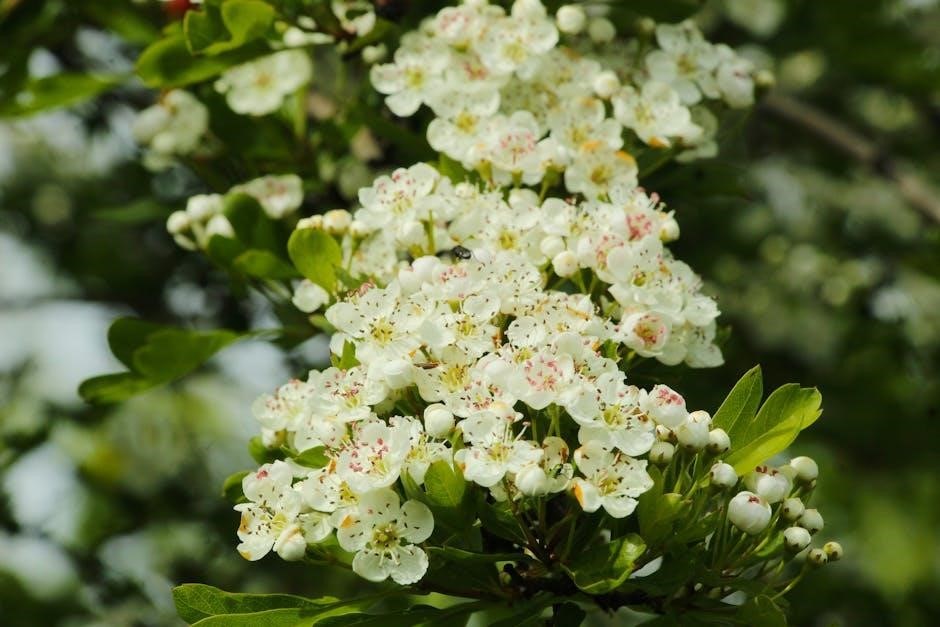
Hawthorne masterfully employs flower imagery to symbolize Georgiana’s delicate beauty, linking her emotional vibrancy to physical fragility and inherent imperfection․
Symbolism of Flowers in Representing Georgiana’s Beauty

Hawthorne intricately weaves flower imagery throughout “The Birthmark” to represent Georgiana’s captivating, yet fragile, beauty․ These floral allusions aren’t merely decorative; they function as potent symbols of her emotional and spiritual state, inextricably linked to her perceived imperfections․
The story suggests that Georgiana’s most vibrant moments of feeling and aliveness coincide with a lessening of the birthmark’s visibility, mirroring the ephemeral nature of blossoms․ Her beauty, like a flower, is transient and delicate, emphasizing the inherent vulnerability of human existence․
This connection highlights a crucial theme: that embracing flaws and imperfections is essential to experiencing genuine beauty and emotional depth․ The flowers symbolize not a flawless ideal, but a natural, organic beauty that thrives because of its fragility, not in spite of it․
Hawthorne suggests that attempting to eradicate these imperfections—as Aylmer strives to do—is akin to destroying the very essence of life and beauty itself․
The Connection Between Fragility and Emotional Liveliness
Hawthorne masterfully links Georgiana’s physical fragility, embodied by her delicate health and the birthmark, to her intense emotional responsiveness and vibrant spirit․ The story implies that her sensitivity and passion are not separate from, but rather because of, her perceived imperfections․
When Georgiana experiences strong emotions, the birthmark appears less prominent, suggesting a direct correlation between her inner life and outward appearance․ This highlights Hawthorne’s belief that suppressing or attempting to eliminate vulnerability diminishes one’s capacity for genuine feeling․
Her emotional aliveness is presented as a precious quality, one that Aylmer’s relentless pursuit of perfection threatens to extinguish․ The narrative subtly argues that embracing fragility—acknowledging our inherent vulnerability—is essential for a fully realized human experience․
Ultimately, the story suggests that attempting to achieve an unattainable ideal of perfection leads to a sterile and lifeless existence․

The Tragic Outcome and its Significance

Georgiana’s death, ironically achieved through Aylmer’s “success,” underscores the futility of striving for an impossible perfection and the dangers of unchecked ambition․
Analysis of the Story’s Climax and Georgiana’s Fate
The story’s climax arrives as Aylmer finally removes the birthmark, believing he has achieved his ultimate goal of perfection; however, this “success” is immediately followed by Georgiana’s death․
Her demise isn’t a result of the procedure’s failure, but rather the removal of the very thing that connected her to humanity – her imperfection․
As the birthmark vanishes, so too does her life force, highlighting Hawthorne’s central argument that human frailty is integral to beauty and vitality․
Georgiana willingly participates in her own destruction, driven by her love for Aylmer and a desire to fulfill his vision, demonstrating the destructive power of obsession․
Her fate serves as a stark warning against the pursuit of unattainable ideals and the denial of inherent human limitations, a tragically ironic conclusion to her story․
The Ironic Consequences of Aylmer’s “Success”
Aylmer’s supposed triumph – the removal of the birthmark – is profoundly ironic, as it directly leads to Georgiana’s death, negating any perceived benefit of achieving physical perfection․
He sought to elevate her beyond the realm of human imperfection, yet in doing so, he extinguished the very essence of her being, her connection to earthly existence․
The story suggests that the pursuit of an unattainable ideal, devoid of moral consideration, ultimately results in loss and destruction, a bitter consequence of unchecked ambition․
Hawthorne emphasizes that the birthmark, initially viewed as a flaw, was intrinsically linked to Georgiana’s vitality and beauty, a truth Aylmer failed to recognize․
His “success” is therefore a devastating failure, a testament to the dangers of prioritizing abstract ideals over the acceptance of natural human imperfection and mortality․