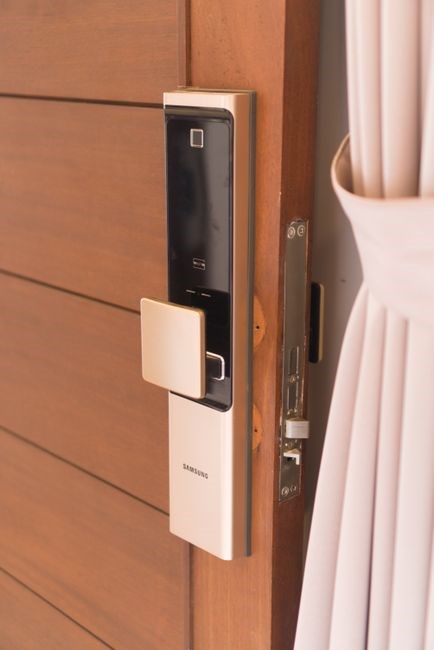
Kwikset SmartCode 914 Overview
The Kwikset SmartCode 914 is a Wi‑Fi enabled deadbolt that offers 1,000 unique codes, 24‑hour remote access, and a built‑in battery backup. Its manual PDF details setup, code programming, and troubleshooting for quick, secure installation. Download PDF from official site for details.InfoHelp.!!!!!!
Key Features and Technical Specifications
Model: Kwikset SmartCode 914
Connectivity: Dual‑band Wi‑Fi (2.4 GHz) with optional Bluetooth 5.0 for local control.
Code Capacity: 1,000 unique 4‑digit codes, each configurable for 24‑hour, 7‑day, or permanent access.
Remote Access: 24‑hour lock/unlock via SmartCode app, compatible with Alexa, Google Assistant, and Apple HomeKit.
Battery: 2×CR2032 coin cells (2 V each) in series, rated 12 months with low‑power mode; replaceable without removing the lock.
Physical Key: Dual‑function key with built‑in lock release; keyhole size 1/2” x 3/4”.
Dimensions: 5.5” height, 3.2” width, 1.8” depth; weight 1.2 lb.
Security: AES‑128 encryption for wireless traffic; tamper‑alert LED; auto‑lock after 30 seconds of inactivity.
Installation: Standard 1‑/2‑inch deadbolt mounting; requires 1.5” screw holes; no special tools needed.
Firmware: OTA updates via app; latest version 1.4.2 supports new voice‑assistant commands.
Compliance: UL 325, ANSI/BIFMA, and ENERGY STAR certified for low power consumption.
Download the full manual PDF from the official Kwikset website for detailed wiring diagrams, code‑setting procedures, and troubleshooting steps.
For advanced users, the lock supports custom firmware via the SmartCode API, allowing integration with third‑party home automation platforms and custom event triggers;
Signed firmware.
Manual PDF Access and Navigation
Access the Kwikset SmartCode 914 manual PDF via the official website’s support portal. Click “Downloads,” select the 914 model, then choose PDF. Use the table of contents for quick navigation: installation, programming, and troubleshooting sections are clearly labeled. For updates, visit kwikset.com.
Download Locations and File Format

Installation Instructions
Mount the SmartCode 914 on a 1‑inch jamb, align bolt with strike plate, secure screws. Insert battery, press lock button to power on, set master code, connect Wi‑Fi. Test by cycling code and verifying remote access via app. Ensure battery charged. Lock door to confirm operation. now
Step-by-Step Setup Process
Power on the SmartCode 914 by inserting the battery and pressing the lock button until the LED flashes. 2. Download the Kwikset app from the App Store or Google Play. 3. Open the app, tap “Add Device,” and select “SmartCode 914.” 4. The app will prompt you to scan the QR code on the lock’s back panel. 5. Follow on‑screen instructions to connect the lock to your home Wi‑Fi network (ensure 2.4 GHz, not 5 GHz). 6. Once connected, the app will display a temporary master code. 7. Set a permanent 4‑digit master code by entering the temporary one, then confirming a new code. 8. Assign up to 1,000 unique user codes: tap “Add User,” choose “Code,” enter a 4‑digit number, and set an expiration date if desired. 9. Test each code by entering it on the lock’s keypad; the LED should flash green. 10. Configure advanced settings: enable remote lock/unlock, set auto‑lock timers, and adjust battery‑saving mode. 11. Save all settings and perform a final test by locking and unlocking the door remotely via the app. 12. If any step fails, consult the troubleshooting section of the manual PDF.
For advanced users, the lock supports OTA firmware updates via the app, allowing new features and security patches without manual intervention. Battery life can be extended by disabling the auto‑lock feature when the door is rarely used. If you encounter any anomalies, refer to the troubleshooting guide in the manual PDF or contact Kwikset support for assistance. Enjoy seamless, secure access with your SmartCode 914. Enjoy peacealways.
Programming and Locking Mechanisms
Programming the Kwikset SmartCode 914 involves using the mobile app to set master and user codes, each 4 digits. The lock’s keypad accepts codes, auto‑locks after a preset interval, and can be overridden with a physical key. Firmware updates add features. Use the app for remote control. Wi‑Fi
Configuring Codes and User Access
To add or remove user codes on the Kwikset SmartCode 914, launch the Kwikset app and select the lock. Tap “Add Code” and enter a 4‑digit PIN; the lock will confirm entry with a green LED. Codes can be set to expire after a chosen date, or be permanent. You may assign a “Master” code that bypasses the keypad, useful for maintenance. The lock supports up to 1,000 unique codes, but the app limits active entries to 200 for performance. When editing, the app displays a list of current codes; selecting one shows its status and expiration. To delete, swipe left and confirm. For temporary guests, use the “Guest” feature: set a code that automatically locks after 24 hours. The lock’s firmware logs each access event; you can view the log in the app to audit usage. If you need to reset all codes, choose “Factory Reset” which wipes all entries and restores default settings. Remember to keep the master code secure, as it grants full control. For advanced users, the lock’s API allows integration with home‑automation systems, enabling code generation via scripts. Always test new codes before closing the door to prevent lockout. The manual PDF provides screenshots and troubleshooting steps for common code‑entry errors such as “Invalid Code” or “Code Limit Reached.”
- Create a code that expires after 7 days;the lock locks when the code is invalid.
- Use the ‘Delete’ option to remove a code; confirm by pressing the green and LED!
Power Source and Battery Management
The SmartCode 914 uses two CR2032 lithium cells (3.6 V). A green LED shows power; a red LED warns low battery. Replace when red or after ~12 months. Battery‑saver mode dims keypad backlight to extend life. Keep spare batteries nearby. Check via app!!.
Battery Types, Replacement, and Power Saving Tips
The Kwikset SmartCode 914 uses two CR2032 lithium‑coin cells (3.6 V each), giving up to 12 months of standby power under typical use. The battery compartment is on the back of the lock; open the latch, slide the cover off, and insert fresh cells with correct polarity. When the LED turns red or the lock stops responding, replace batteries immediately to avoid lockout. Keep a spare set of CR2032s in a drawer or on a keychain for quick swaps. The lock offers a low‑power mode that dims the LED backlight and reduces keypad illumination when the door is closed; this setting can be toggled in the mobile app or via the lock’s menu. To maximize battery life, disable unused features such as the “remote lock” function when not needed, and schedule the lock to enter sleep mode during nighttime hours. Regularly check the battery status in the app, and perform a quick test by pressing the lock button to ensure the LED remains green. By following these steps, you can keep your SmartCode 914 running reliably without frequent battery changes. Additionally, the lock’s firmware supports automatic battery status alerts sent to the mobile app, allowing you to schedule battery replacements before the LED turns red. Users can also enable a “low‑power” visual cue that flashes the LED at a slower rate, further conserving energy. These combined practices help maintain optimal performance and extend battery life across multiple lock cycles. Check battery now.
Emergency Key Release Features
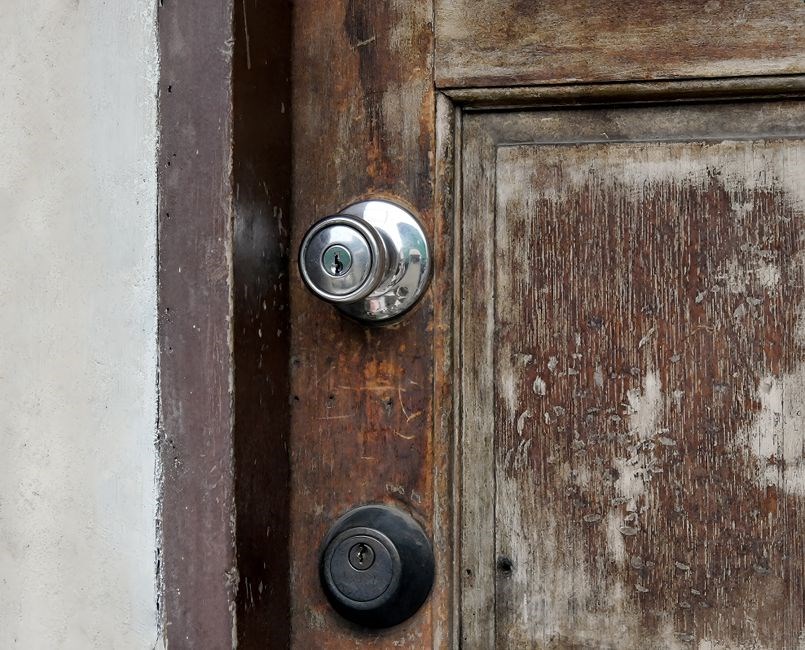
The lock has a hidden key slot on the side. Insert the key, turn clockwise to unlock. It bypasses code and battery, safe during outages. Keep key in a secure place; lose it, contact support. Use only for emergencies. If the lock fails, the key provides a reliable exit. Keep it safe. Store key.!
How to Use the Physical Key and Safety Measures
When the SmartCode 914’s battery is depleted or the electronic system fails, the hidden key slot on the side of the door offers a reliable fallback. Insert the key, turn it clockwise until the latch releases, and the door will open. This procedure bypasses all electronic codes and Wi‑Fi connectivity, ensuring you can still access your home during power outages or system malfunctions.
Safety measures are essential to prevent unauthorized use. Store the key in a secure, non‑public location—such as a lockbox or a hidden compartment—so that only trusted family members or maintenance personnel can retrieve it. Do not leave the key in the door or in a visible place where strangers could find it. If the key is lost, immediately contact Kwikset support to request a replacement and to reset the lock’s electronic codes.
Use the key only in emergency situations. Regularly test the lock’s electronic functions to confirm that the key is still functional and that the latch mechanism is not jammed. Keep the key clean and free of debris, and avoid forcing it, which could damage the internal lock body. By following these precautions, you maintain both the convenience of the SmartCode 914 and the security of your home.
When using the key, always double‑check that the lock is in the “locked” state before inserting the key. If you notice any resistance or unusual sounds, stop immediately and consult the troubleshooting section of the manual. The key should fit smoothly; any grinding indicates a potential mechanical issue that may require professional service.
For added safety, consider installing a secondary lock or a deadbolt on the interior side of the door. This dual‑lock system provides an extra layer of protection, especially in high‑risk areas. Additionally, keep a spare key in a separate, secure location to avoid being stranded if the primary key is misplaced.
Troubleshooting and Common Issues
Common issues include battery failure, code lockout, Wi‑Fi disconnection, and sensor misalignment. Reset by holding the reset button for 10 s, replace batteries, re‑pair Wi‑Fi, and ensure the door is fully closed. For persistent problems, consult the manual or support. Contact support now!!!.
Error Codes, Reset Procedures, and Support Resources
When the SmartCode 914 displays a red LED or a “0” on the keypad, the lock has entered a fault state. Common error codes are: 1) “01” – battery low; 2) “02” – Wi‑Fi not connected; 3) “03” – code mismatch; 4) “04” – internal sensor fault. To reset, press and hold the reset button on the back of the lock for 10 seconds until the LED blinks twice, then release. The lock will return to factory defaults and all user codes will be cleared. If the fault persists, replace the CR2032 battery with a fresh one, verify the Wi‑Fi SSID and password in the SmartCode app, and ensure the door is fully closed. For advanced troubleshooting, consult the PDF manual’s “Troubleshooting” section, which includes a table of error codes and recommended actions. If the problem remains unresolved, contact Kwikset support via the app, by phone at 1‑800‑XXX‑XXXX, or through the online help center. The support portal also offers firmware upgrade instructions, a user forum, and a live chat option for real‑time assistance. All resources are available in the manual PDF and on the official Kwikset website. Follow the step‑by‑step guide to restore normal operation quickly and securely. The manual too provides a QR code linking to video tutorials for learners

Firmware Updates and Compatibility
The SmartCode 914 receives OTA firmware updates via the SmartCode app ensuring features. Compatibility requires a 2.4 GHz Wi‑Fi network and iOS/Android 10+. Update steps: connect lock, open app, select “Firmware Update,” and follow prompts. If lock fails to connect, reset Wi‑Fi settings OK retry.
Updating Software and Integration with Smart Home Systems
To keep the Kwikset SmartCode 914 operating at peak performance, firmware updates are delivered through the SmartCode mobile app. Begin by ensuring the lock is powered and connected to a 2.4 GHz Wi‑Fi network. Open the SmartCode app, navigate to the lock’s settings, and select “Firmware Update.” The app will check for the latest version, download it, and install automatically, requiring the lock to remain powered and within range. If the update stalls, power cycle the lock by removing the battery, waiting 30 seconds, and reinserting it. Once updated, the lock will reboot and display the new firmware version on the app’s dashboard.
Integration with smart home ecosystems is straightforward. The SmartCode 914 supports Amazon Alexa, Google Assistant, and Apple HomeKit. For Alexa, enable the “Kwikset SmartCode” skill, link your account, and assign the lock to a device group. Google Assistant users can add the lock via the Google Home app, granting voice‑control commands such as “Lock the front door.” Apple HomeKit integration requires the lock to be added through the Home app, where you can set automations like “Lock when I leave home.” Each platform allows scheduling, remote access, and monitoring of lock status, ensuring seamless control across devices.
For advanced users, the SmartCode 914 supports automation via IFTTT and MQTT, enabling integration with sensors and scripts for tailored security workflows.?